

Understanding Osteoporosis
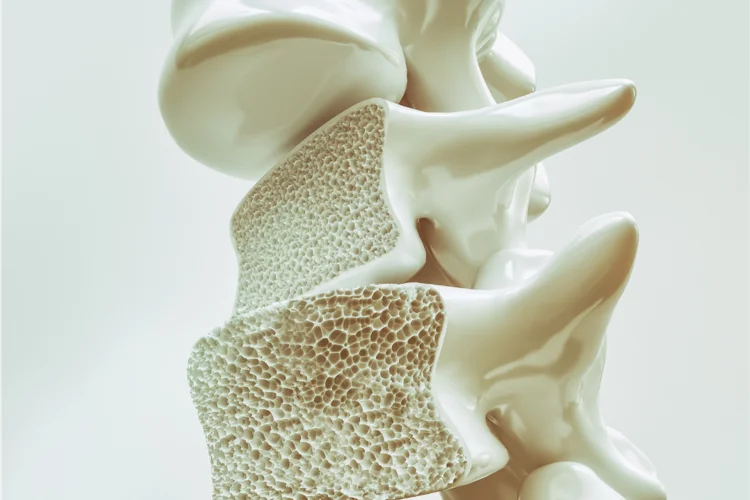
Osteoporosis is a condition where bones become weak and brittle, increasing the risk of fractures. Often referred to as a "silent disease", bone loss typically occurs without noticeable symptoms until a fracture happens. This condition primarily affects older adults, especially women after menopause.
Osteoporosis Statistics in Singapore
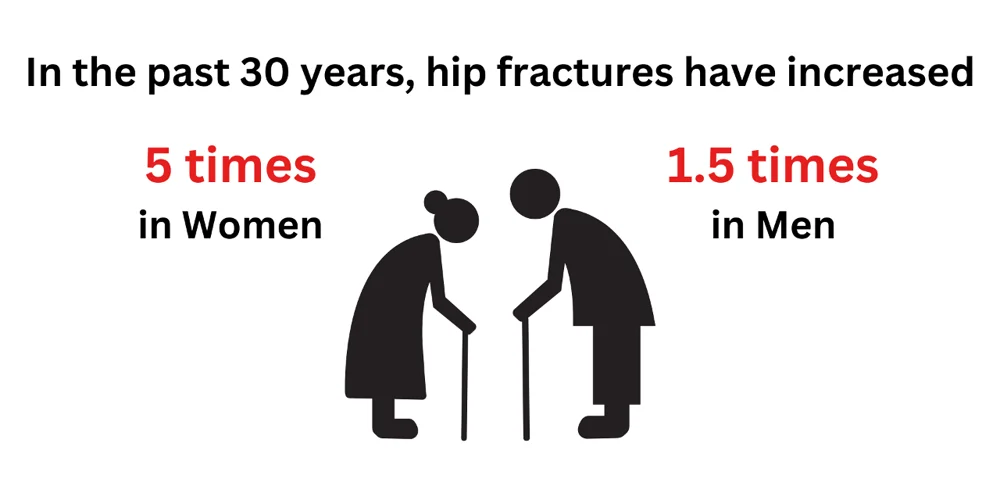
- Women face an 18% risk of getting a hip fracture in their lifetime while men have a 6% risk. In the past 30 years, hip fractures have increased in women (5 times) and men (1.5 times) over 50 years old.
- There are 2,500 cases of hip fractures a year, with this figure expected to increase to 9,000 by 2050. Among those who suffer hip fractures, 1 in 3 experiences a significant loss of function and becomes dependent on others.
Osteoporosis is a growing concern in Singapore, particularly with an ageing population. The prevalence of osteoporosis is rising, with a significant number of elderly individuals at risk of fractures. Early detection is vital for prevention and management of this disease.
Osteoporosis Symptoms
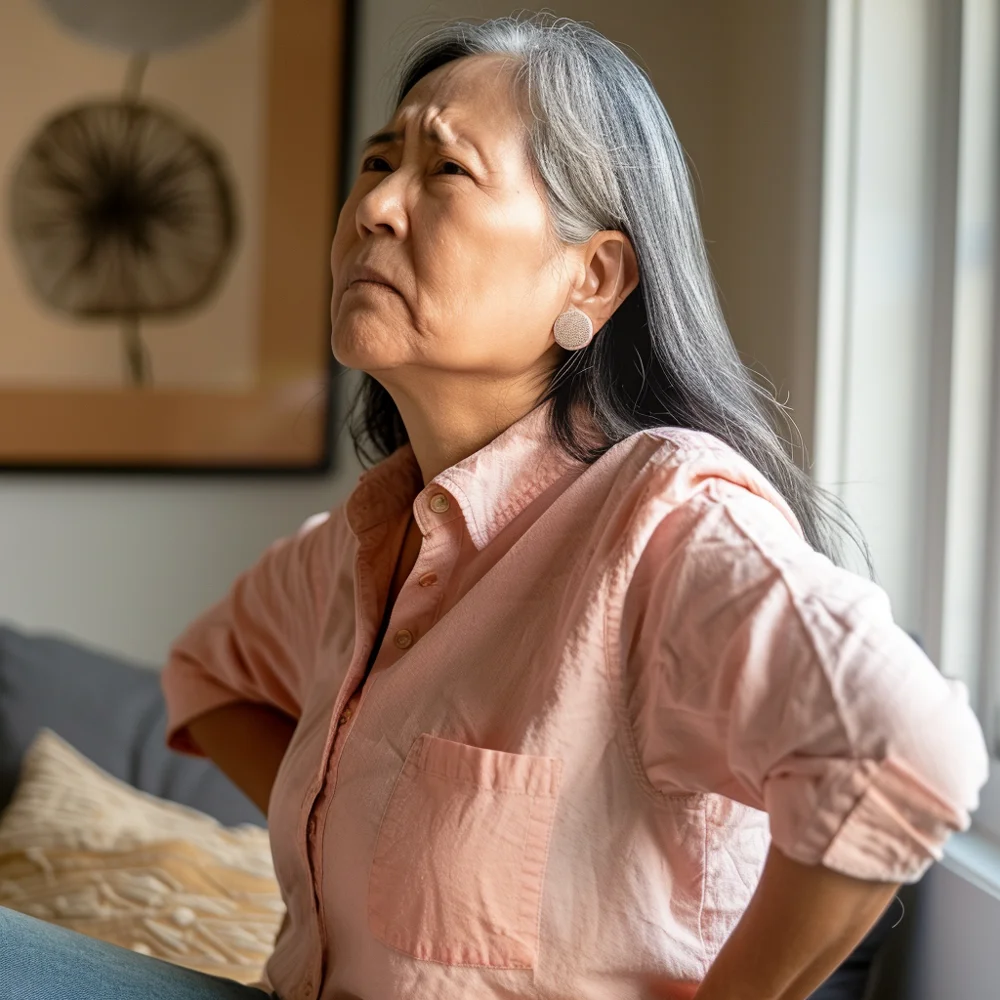
Common symptoms of osteoporosis include back pain, gradual loss of height, and a hunched posture. Osteoporosis-related pain, which may be caused by fractures or compression of the spine, can be ongoing and significantly impact daily life and overall health. In the long term, complications such as persistent pain, disability, and reduced independence may occur.
What Causes Osteoporosis?
Osteoporosis is caused when the body loses more bone tissue than it can produce, resulting in more fragile bones.
Osteoporosis Risk Factors
Risk factors for osteoporosis fall into two groups: those you can act on, and those you cannot.
Risk factors you can change:
- Inadequate calcium and vitamin D: Both are needed to build and maintain bone.
- Low body weight: A lighter frame generally carries less bone mass.
- Lack of physical activity: Weight-bearing exercise helps maintain bone density.
- Smoking: Smoking is associated with lower bone density.
- High alcohol consumption: Regular heavy drinking interferes with bone formation.
Risk factors you cannot change:
- Ageing: Bone density declines naturally with age.
- Being female: Women are more susceptible because of hormonal changes, especially during menopause.
- Family history: A family history of osteoporosis raises your own risk.
- Coexisting conditions: Diabetes, frailty and sarcopenia (age-related loss of muscle mass and strength) can reduce bone density or increase the risk of fractures. High blood pressure has also been associated with a higher risk of fractures, more strongly in women than in men, though this link is less firmly established than the conditions above.
Diagnosing Osteoporosis
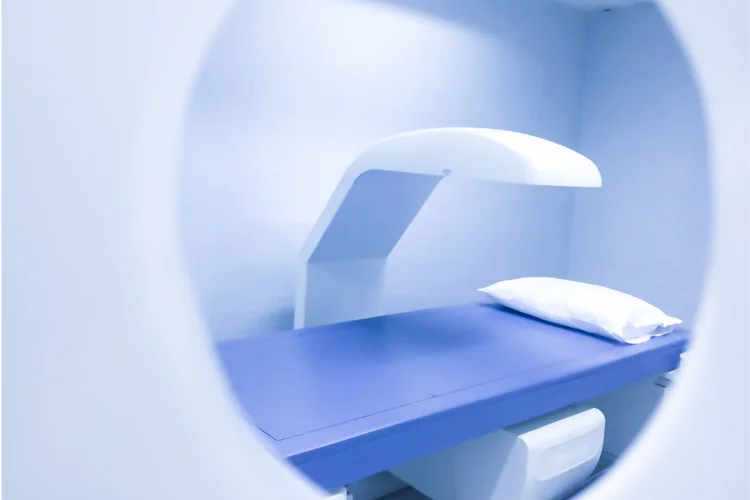
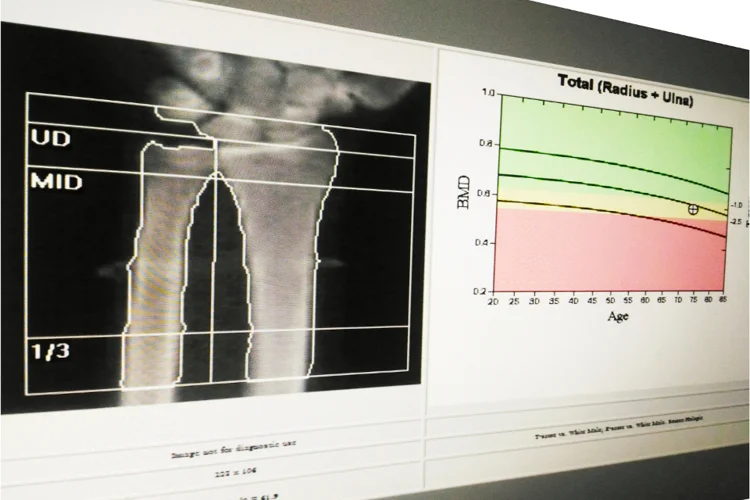
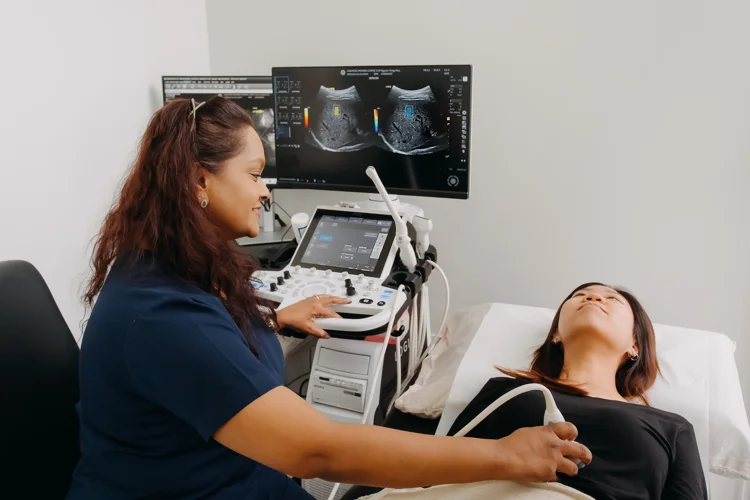
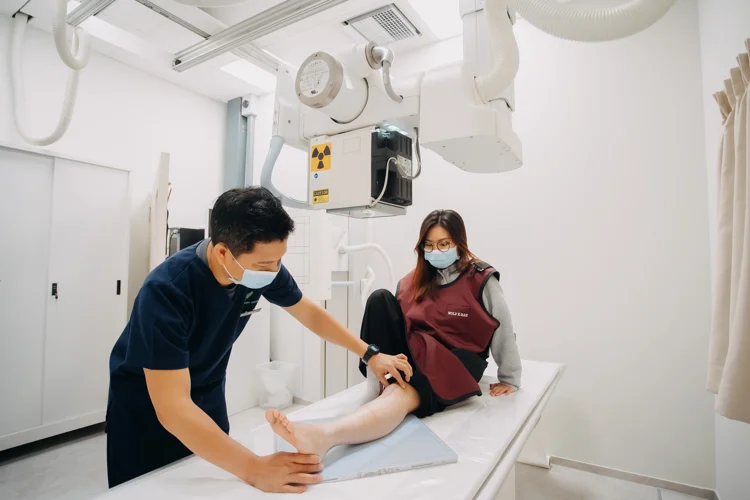
The current gold standard for assessing osteoporosis is through a Bone Mineral Density (BMD) test, measured using Dual-Energy X-ray Absorptiometry (DEXA). A DEXA scan accurately calculates bone density and also provides insights into fat distribution and muscle mass. Comprehensive risk assessments also include evaluating lifestyle factors, medical history, and family history. It is important to note that osteoporosis differential diagnosis can involve other conditions that cause bone weakness, such as liver disease and hyperthyroidism.
Osteoporosis Screening Guidelines in Singapore (2026)
Singapore previously had no age-based osteoporosis screening recommendations for the general population. The 2026 screening recommendations set out an age and frequency for osteoporosis risk assessment for the first time.
Who Should Assess Their Risk, and When
- Women: from age 50, or from post-menopause if that comes earlier. A woman is considered post-menopausal after 12 consecutive months without a menstrual period.
- Men: from age 65, as fracture risk increases progressively from this age alongside bone loss and declining bone mineral density.
- Frequency: risk should be reassessed once every five years, as bone mineral density declines measurably over that period.
Osteoporosis Risk Score for Women
Osteoporosis risk in Asian women can be estimated with a simple self-assessment: subtract your weight in kilogrammes from your age in years.
| Score (Age in Years − Weight in kg) | Risk Level |
|---|---|
| Less than 0 | Low risk |
| 0 to 20 | Moderate risk |
| More than 20 | High risk |
A bone mineral density scan is recommended for women assessed as high risk, and for women at moderate risk who also have other risk factors, such as menopause before age 45 or coexisting conditions like diabetes and hyperthyroidism.
Risk Assessment for Men
There is currently no evidence-based osteoporosis risk scoring tool for men. Men are assessed on risk factors instead, such as coexisting medical conditions, smoking and a lack of regular exercise. A local study by SingHealth Polyclinics found that osteoporosis often went undiagnosed in elderly men with chronic conditions until they sustained a fracture.
Issued by the Screening Test Review Committee in February 2026, these screening recommendations are still under review by the Ministry of Health and not yet part of Healthier SG screening.
How to Treat Osteoporosis?
Treating osteoporosis involves providing lifestyle advice to all patients at risk, particularly postmenopausal women and men aged 65 years and above. This advice can include ensuring adequate calcium and vitamin D intake, engaging in regular weight-bearing exercises, and avoiding smoking and excessive alcohol consumption. For individuals presenting with signs of bone fragility, a DEXA scan is required to accurately assess bone density. If osteoporosis is diagnosed after ruling out other conditions, medication may be prescribed alongside lifestyle recommendations. Progress can be monitored through regular DEXA scans. In certain cases, such as those with complex secondary causes or ineffective treatment, referral to a specialist may be necessary.
How to Prevent Osteoporosis?
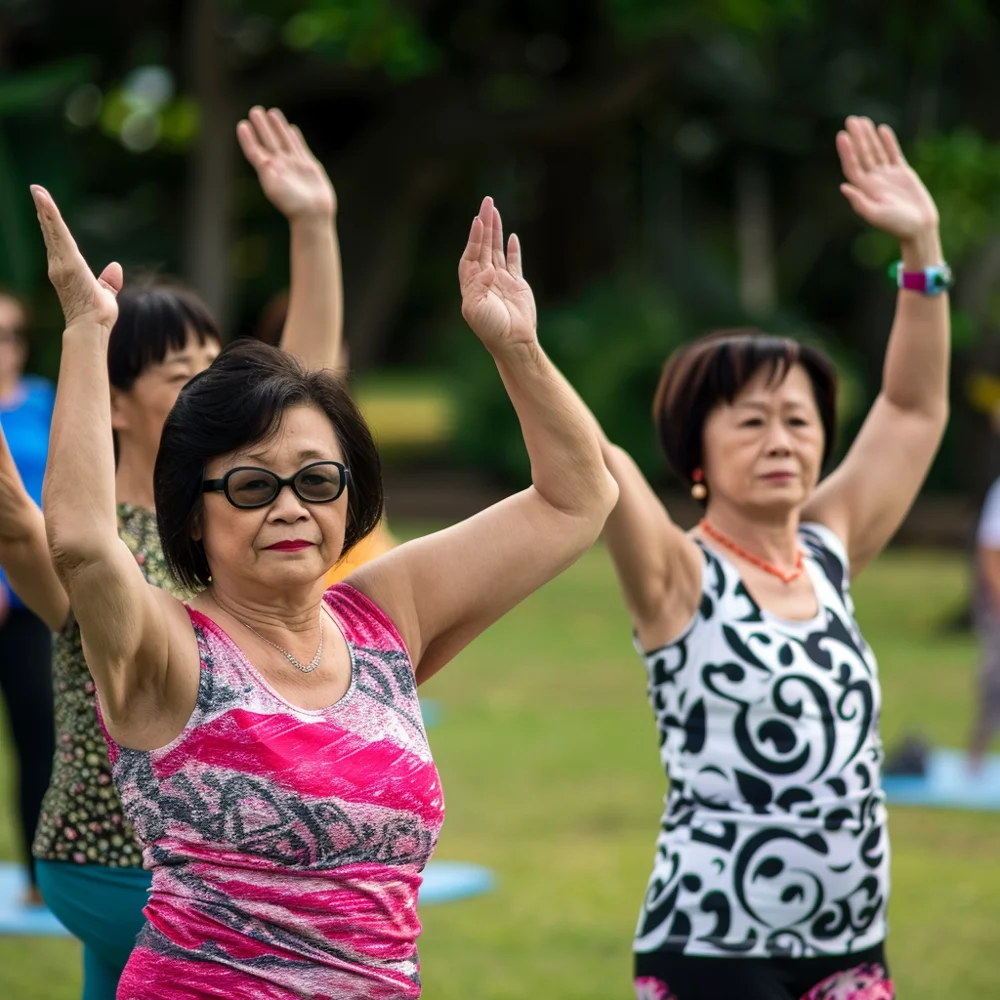
Preventing osteoporosis involves maintaining a healthy lifestyle that includes a balanced diet rich in calcium and vitamin D, engaging in regular weight-bearing and muscle-strengthening exercises, and avoiding smoking and excessive alcohol consumption. It is also important to have regular checkups to assess risk factors and test for bone density, especially for older adults and postmenopausal women, to identify and address early signs of bone loss.
Osteoporosis Testing & Treatment in Singapore
At ATA Medical, we offer testing and follow-up treatment for osteoporosis with the following prices:
| Tests/Treatment | Price* |
|---|---|
| Consultation | From $49.05 |
| DEXA Bone Densitometry (Hip & Spine) | $141.70 |
| Ultrasound Heel (Bone Mass Density) | $43.60 |
| Vitamin D Test | $130.80 |
| Deficiency Screen (Folate, Vitamin B12, Vitamin D, Iron, Total Iron Binding Capacity, % Iron Saturation, Ferritin) | $161.32 |
| Alendronate | $39.24 per box (4 tablets) |
^Prices last updated on Jan 28, 2026. While every effort is made to keep pricing information up to date, please contact our team to confirm the latest rates.
For a more comprehensive assessment of your health, you can consider our health screening packages which include Bone Mineral Density test.
Summary
Osteoporosis is a significant health concern in Singapore, especially among the elderly. Understanding the symptoms, causes, and risk factors can help individuals take proactive steps to prevent this condition. Early detection through regular screenings and adopting a healthy lifestyle can maintain healthy bones and reduce the risk of fractures in the future. If you are experiencing symptoms of osteoporosis or are concerned about your bone health, schedule an appointment with a doctor today to discuss and explore appropriate measures.
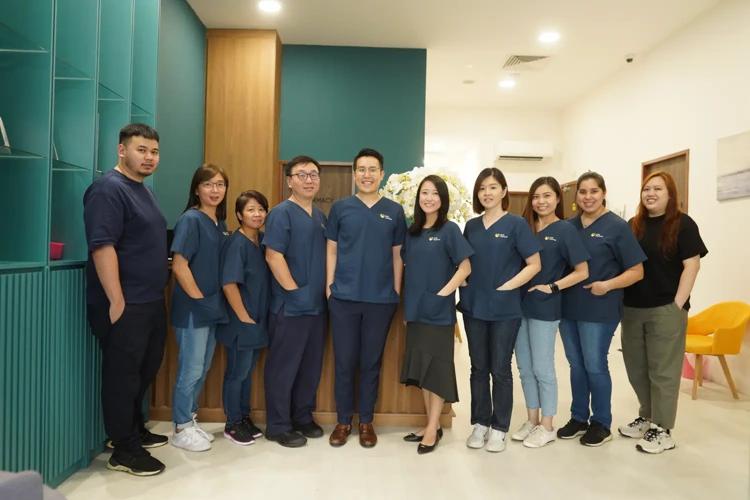
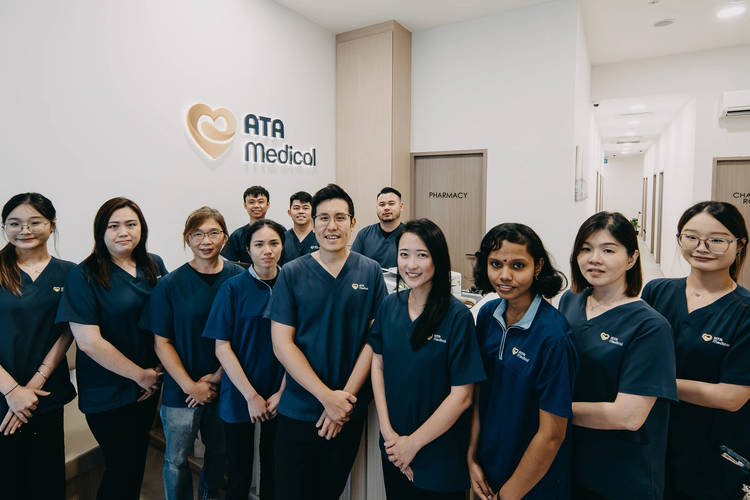
Why Choose ATA Medical?


What to Expect
FAST RESULTS
We strive to deliver your results within 7 working days.
MINIMUM WAITING TIME
Our patient-oriented processes ensure your waiting time is kept to a minimum.
Friendly Service
Service is a top priority for us at ATA Medical.
Email Us at camden@atamed.sg
for More Information.
Book Your Osteoporosis Treatment With Us at 88838892.