

Menopause in Singapore

Last updated: Oct 1, 2026
What Is Menopause?
Menopause is the point when a woman's menstrual periods stop permanently, confirmed after 12 consecutive months without a period and no other medical cause.
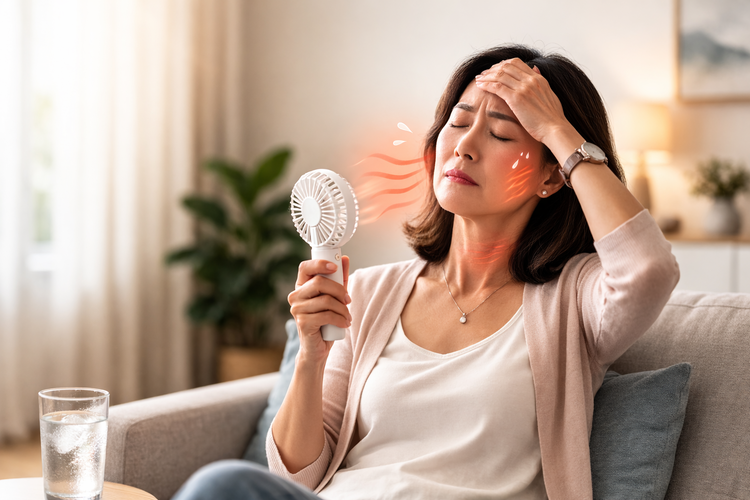
It occurs because the ovaries gradually deplete their egg supply and reduce production of oestrogen and progesterone,
the hormones that regulate menstruation and support reproductive function.
Menopause is a natural biological transition rather than a disease. However, the hormonal
changes involved can lead to symptoms that affect daily life and may increase the risk of
certain long-term health conditions.
In men, a gradual decline in testosterone with age is sometimes referred to as andropause, although it
differs from menopause and usually occurs more slowly.
Menopause Age in Singapore
The average age of menopause in Singapore is around 49, slightly
earlier than the global average of approximately 51. Most women experience menopause between the
ages of 45 and 55.
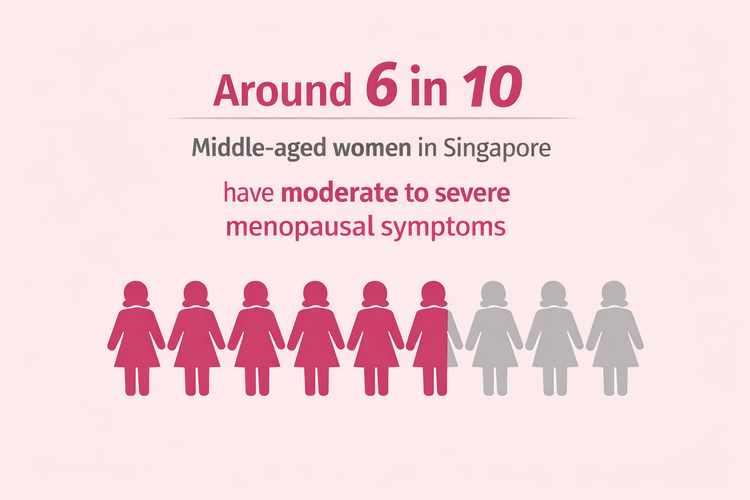
Studies show that around 6 in 10 women aged 40 to
60 in Singapore experience at least one moderate to severe menopausal symptom.
Several factors can influence when menopause occurs, including:
- Medical treatments – Surgical removal of both ovaries (oophorectomy) causes immediate menopause regardless of age. Chemotherapy and radiation therapy may also damage the ovaries and trigger early menopause, although this may sometimes be temporary.
- Genetics – If your mother or sisters reached menopause early or late, you may experience a similar pattern because genetic factors influence how quickly the ovaries age.
- Smoking – Women who smoke are more likely to reach menopause earlier than non-smokers because smoking can damage the ovaries and reduce oestrogen production.
- Body weight – Being underweight or having very low body fat may lead to earlier menopause.
Menopause that occurs before the age of 40 is known as premature ovarian insufficiency (POI). It may result from autoimmune conditions, genetic factors, or medical treatments that affect the ovaries.
Stages of Menopause
Perimenopause
Perimenopause is the transitional stage before menopause, typically beginning in a woman's mid-40s. During this phase, oestrogen levels fluctuate unpredictably, which can cause irregular periods, changes in menstrual flow, and the onset of symptoms such as hot flushes and sleep disturbances.
Menopause
Menopause is a single point in time, confirmed retrospectively after 12 consecutive months without menstruation and no other medical cause. At this stage, the ovaries have largely stopped releasing eggs and producing oestrogen.
Post-menopause
Post-menopause refers to the years following menopause. While some symptoms may improve during this stage, the long-term effects of lower oestrogen levels on bone density, heart health, and metabolism become more significant.
How Long Does Menopause Last?
The menopausal transition typically lasts several years, beginning with the early
signs of perimenopause and continuing into the post-menopausal years. Perimenopause itself usually
lasts 4 to 8 years.
The duration of menopause symptoms varies between individuals. Hot flushes, the most commonly
reported symptom, last an average of about 7 years, although some women may experience them for a
decade or longer. Other symptoms, such as vaginal dryness, may persist or develop later during
post-menopause if left unaddressed.
Signs and Symptoms of Menopause
Menopause symptoms result from fluctuating and declining oestrogen levels and can vary widely in type and severity. Not every woman will experience all of these symptoms, and some may go through menopause with relatively mild changes.
Common Symptoms
- Hot flushes – Sudden feelings of warmth in the face, neck, and chest, sometimes accompanied by sweating and a rapid heartbeat.
- Night sweats – Hot flushes that occur during sleep and may disrupt rest, often leading to daytime fatigue.
- Sleep disturbances – Difficulty falling asleep or staying asleep, often linked to night sweats and hormonal changes affecting sleep regulation.
- Irregular periods – Menstrual cycles may become heavier, lighter, more frequent, or more widely spaced during perimenopause.
- Mood changes – Irritability, anxiety, and low mood, often associated with hormonal fluctuations and sleep disruption.
- Vaginal dryness – Reduced oestrogen can thin the vaginal lining, leading to dryness, discomfort, and sometimes pain during intercourse.
Other Symptoms
- Weight gain – Hormonal shifts and age-related metabolic changes may lead to increased abdominal fat.
- Difficulty concentrating – Often described as "brain fog", this may result from hormonal changes, poor sleep, or both.
- Joint and muscle aches – Declining oestrogen levels, which normally have anti-inflammatory effects, may contribute to stiffness and discomfort.
- Urinary changes – Thinning of the urethral lining may cause more frequent urination or increase susceptibility to urinary tract infections.
- Hair thinning – Hormonal changes can affect hair growth cycles, leading to thinner hair or increased shedding.
Vaginal and urinary symptoms are collectively referred to as genitourinary syndrome of menopause (GSM).
Health Risks After Menopause
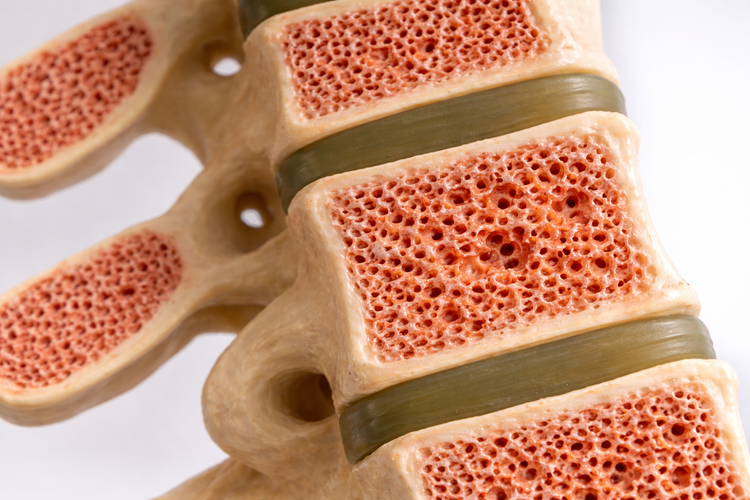
Lower oestrogen levels after menopause affect more than day-to-day symptoms. They also increase the risk of several long-term health conditions.
Bone Loss and Osteoporosis
Oestrogen plays an important role in maintaining bone density. After menopause, bone loss
accelerates significantly, increasing the risk of osteoporosis
and fractures.
Regular bone density tests (DEXA scan) can assess bone health and help guide preventive
measures such as calcium and vitamin D supplementation or medication.
Cardiovascular Disease
Before menopause, oestrogen helps maintain healthy cholesterol
levels and supports blood vessels. After menopause, LDL ("bad") cholesterol often rises
while HDL ("good") cholesterol may fall, which can increase cardiovascular risk.
Regular heart check-ups,
including monitoring blood pressure and cholesterol
levels, become more important during this stage.
Metabolic Changes
The risk of type 2 diabetes increases after menopause, partly due to weight redistribution and changes in how the body responds to insulin. Maintaining a healthy weight through a balanced diet and regular physical activity can help reduce this risk.
Whether you're experiencing menopause symptoms or want to understand your hormonal health, our women's health doctors are here to help. Book an appointment with us today.
Book Your Appointment TodayDiagnosing Menopause
Menopause is usually diagnosed based on symptoms and menstrual history. For those
over 45 who have not had a menstrual period for 12 consecutive months, further testing is usually
not required.
Hormone blood tests may
be useful in certain situations, including when:
- Suspecting premature ovarian insufficiency (POI)
- Women under 45 years of age who have had a hysterectomy
- Other conditions, such as thyroid disorders or polycystic ovary syndrome (PCOS), need to be ruled out
Because hormone levels can fluctuate during perimenopause, blood test results may sometimes need to be interpreted alongside symptoms and menstrual history.
Menopause Treatment and Management
Menopause symptoms can often be managed through a combination of hormonal treatments and non-hormonal approaches. The most appropriate option depends on symptom severity, overall health, and individual preferences.
Menopausal Hormone Therapy (MHT)
Menopausal hormone therapy (MHT), previously known as hormone replacement therapy (HRT), is
commonly used to manage moderate to severe menopause symptoms. It works by
replacing the oestrogen that the ovaries produce in reduced amounts after menopause.
MHT is available in several forms, including tablets, skin patches, gels, and sprays, as
well as local vaginal oestrogen preparations such as creams or rings. Suitability depends on
factors such as age, time since menopause, symptom severity, and individual health risk
factors.
Non-Hormonal Medication: Fezolinetant
Fezolinetant
(Veoza™) is a non-hormonal prescription medication used to treat moderate to severe
hot flushes and night sweats associated with menopause. It works by blocking neurokinin 3 (NK3)
receptors involved in the body's temperature regulation, helping reduce vasomotor symptoms
without the use of hormones.
Fezolinetant may be considered for women who are unsuitable for MHT or prefer a non-hormonal
treatment option.
Supplements: Soy Isoflavones
Soy isoflavones are plant compounds with mild oestrogen-like effects that may help reduce
menopause symptoms such as hot flushes. These naturally occurring compounds are known as
phytoestrogens and are found in soy-based foods and
supplements.
Benefits vary between individuals, and soy isoflavones generally provide less symptom relief than
MHT.
Other Non-Hormonal Approaches
Other non-hormonal approaches may help relieve menopause symptoms and support long-term health.
These include vaginal moisturisers or lubricants for vaginal dryness, cognitive behavioural therapy
(CBT) for sleep and mood symptoms, and lifestyle measures that support overall wellbeing.
Regular exercise supports bone, heart, and metabolic health, as well as mood and weight management.
A balanced diet with adequate calcium and vitamin D helps
maintain bone strength. Healthy sleep habits and stress management techniques such as mindfulness,
yoga, and breathing exercises may also help.
Some women find that avoiding triggers such as alcohol, caffeine, spicy foods, or hot environments
reduces hot flushes.
When Should You See a Doctor?
You should consider seeing a doctor if symptoms significantly disrupt daily life, occur unusually
early, or involve abnormal bleeding.
Consider seeing a doctor if you experience:
- Hot flushes or night sweats that severely affect sleep or daily activities
- Persistent sleep problems or ongoing fatigue
- Mood changes, including anxiety or low mood
- Vaginal dryness or pain during intercourse affecting quality of life
- Irregular or heavy bleeding, particularly bleeding after menopause
- Menopause symptoms before age 45, which may indicate early menopause
- Concerns about long-term health risks, such as bone loss or heart disease
A consultation helps determine whether menopause or another condition may be causing your symptoms and whether treatment may be helpful.
"Menopause is a natural transition, but the symptoms and long-term health effects should
not be overlooked. With the right combination of treatment and lifestyle adjustments,
most women can manage this stage comfortably and maintain their quality of life."
— Dr Jana Lim
"Menopause is a natural transition, but the symptoms and long-term health effects should not be overlooked. With the right combination of treatment and lifestyle adjustments, most women can manage this stage comfortably and maintain their quality of life."
— Dr Jana Lim
Menopause Testing & Support in Singapore
At ATA Medical, we offer consultation, hormone testing, and follow-up care for women experiencing menopause symptoms.
Periods that stop before the age of 40 may be due to premature ovarian insufficiency (POI) rather than natural menopause. Our doctors can check the cause of the absent periods (amenorrhoea), usually with hormone blood tests. If POI is confirmed, ongoing hormone replacement therapy (HRT) can be arranged through a referral to a specialist.
Our prices are as follows:
| Test / Treatment | Price*^ |
|---|---|
| Consultation | $65.40 |
| Extended Consultation (Over 30 Minutes) | $98.10 |
| Hormone & Deficiency Testing | |
| Estradiol / Oestrogen (E2) | $32.70 |
| Follicle-Stimulating Hormone (FSH) | $32.70 |
| Thyroid Function Test (TSH) | $32.70 |
| Vitamin D Deficiency Test | $130.80 |
| DEXA Bone Densitometry | $141.70 |
|
Hormonal Study Dehydroepiandrosterone Sulfate (DHEAS), Insulin-like Growth Factor 1 (IGF-1), Sex Hormone Binding Globulin (SHBG), FSH, Luteinising Hormone (LH), E2 |
$196.20 |
|
Comprehensive Deficiency / Hair Loss Screen
Folate, Vitamin B12, Vitamin D, Iron, Total Iron Binding Capacity, % Iron Saturation,
Ferritin, Zinc, Magnesium, Free T4, TSH
|
$263.78 |
| Women Wellness (Full Body Screening) | From $152 |
| Breast Health Screening | |
| Mammogram | $239.80 |
| Ultrasound Breast | $163.50 |
| Mammogram with Ultrasound Breast | $327 |
| Menopausal Hormone Therapy | |
| Systemic MHT (Oral Tablets) – Tibolone | $75.21 |
| Systemic MHT (Oral Tablets) – Progesterone | $43.60 |
| Systemic MHT (Transdermal Gel) | $35.97 |
| Local Vaginal Oestrogen Therapy (Vaginal Tablet) | $70.85 |
| Non-Hormonal Options | |
| Prescription Medication (Oral Tablets) – Fezolinetant (Veoza) | $136.85 |
| Supplement (Oral Capsules) – Soy Isoflavones | $68.67 |
| Local Vaginal Moisturiser (Vaginal Pessary) – Gynella Balance | $65.40 |
^Prices last updated on Sep 15, 2026. While every effort is made to keep pricing information up to date, please contact our team to confirm the latest rates.
For a more comprehensive assessment, you can consider our health screening packages which include relevant blood tests and bone density screening.
Meet Our Female Doctors




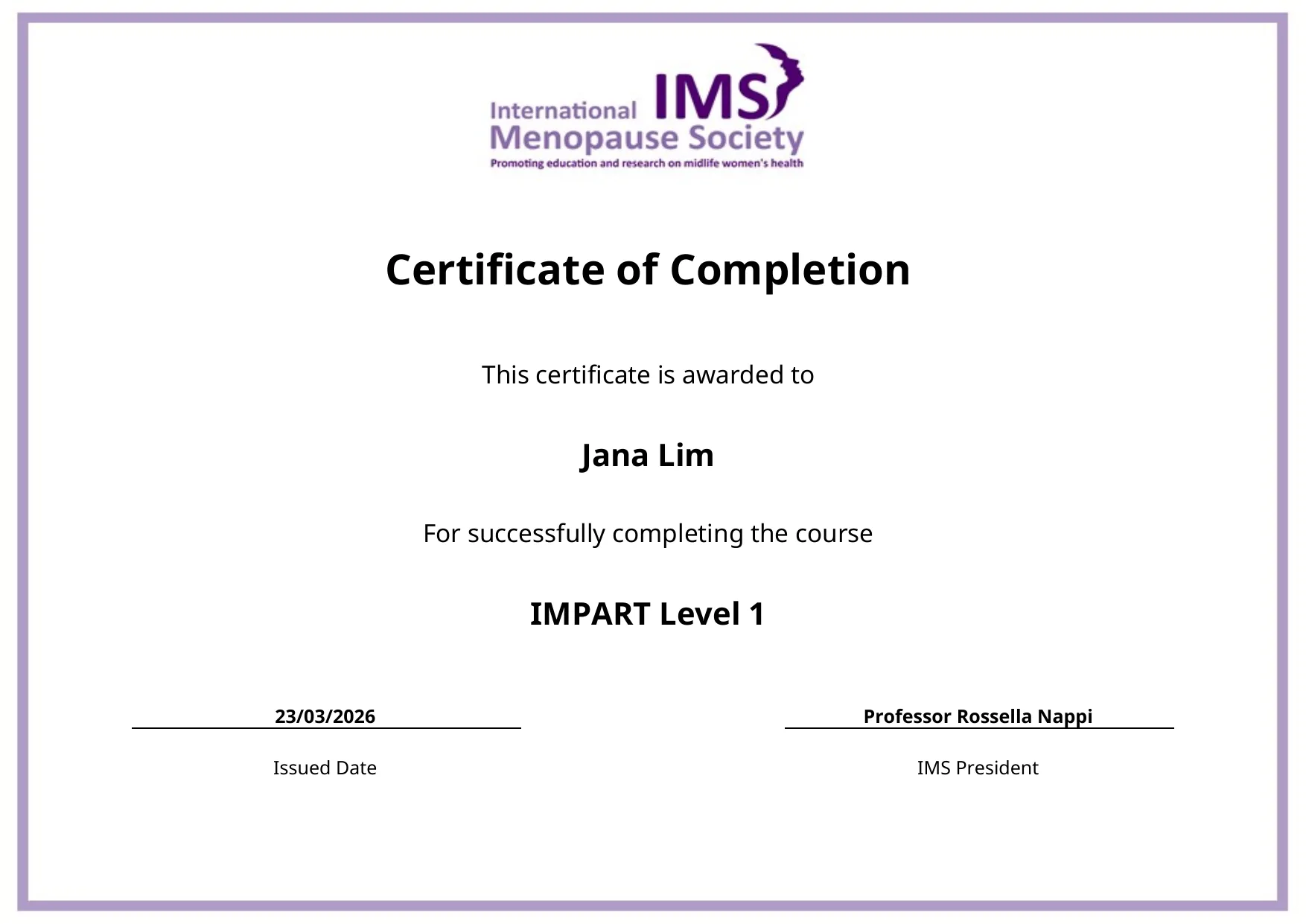
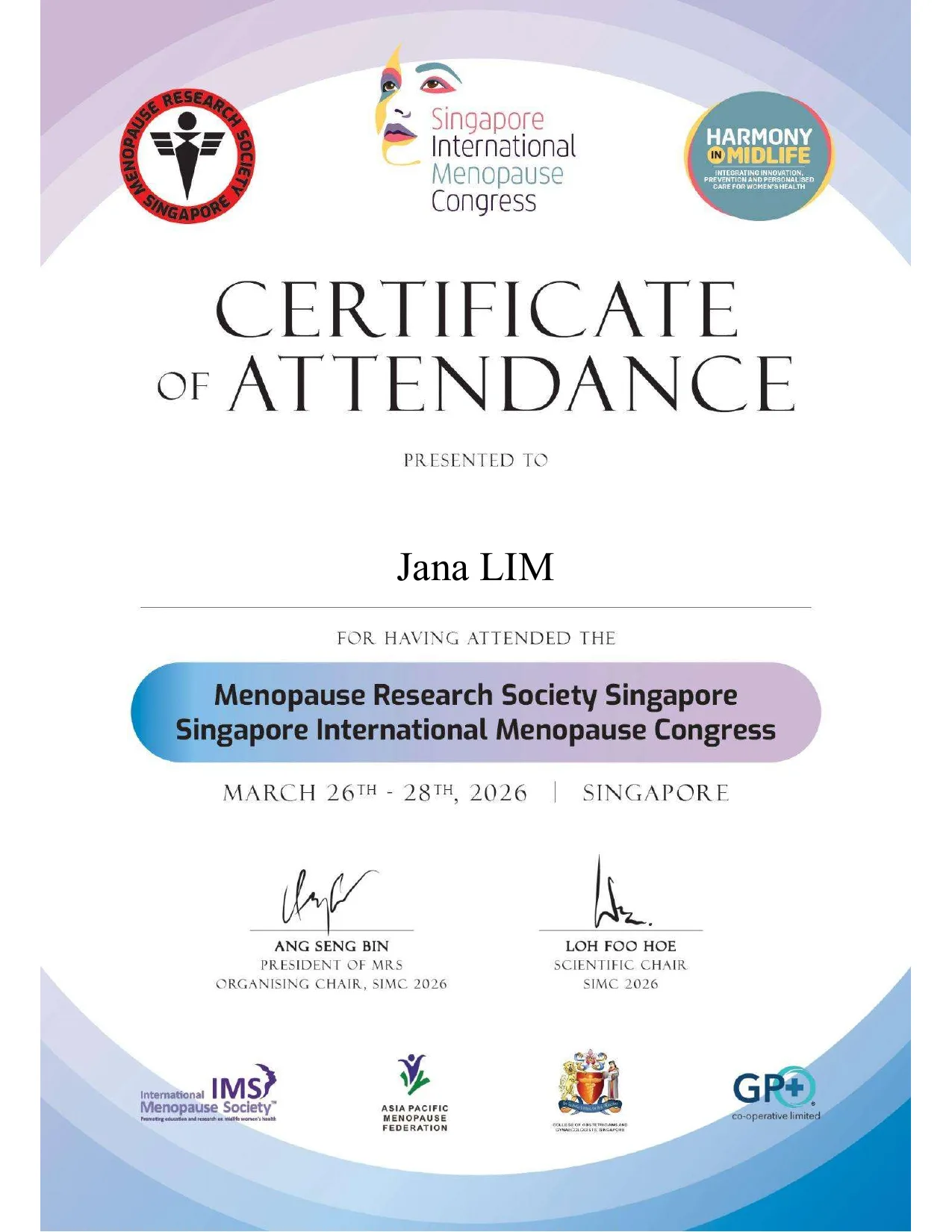
Dr Jana Lim is certified in the International Menopause Society (IMS) IMPART Programme (Level 1) and holds Entry-Level Associate Membership of the IMS. IMPART is a structured, evidence-based training programme in menopause management and menopausal hormone therapy, equipping her to support women through perimenopause and menopause.
Making a Difference Together
At ATA Medical, we strive to make a meaningful impact on every patient's health. With over 180,000 patients served, we are dedicated to fostering trust and enhancing well-being across our community.
Patients
Health Screening Tests
Corporate Screenings
How Do I Book a Menopause Consultation?
ATA Medical @ Tanjong Pagar
Sat: 8:30 AM – 12:30 PM
Sun & PH: Closed
Last appt: 5:15 PM (Mon–Fri), 12:15 PM (Sat)
ATA Medical @ Orchard
Sat: 8:30 AM – 12:30 PM
Sun & PH: Closed
Last appt: 5:15 PM (Mon–Fri), 12:15 PM (Sat)
ATA Medical @ Jurong
Sat: 8:30 AM – 12:30 PM
Sun & PH: Closed
Last appt: 5:15 PM (Mon–Fri), 12:15 PM (Sat)
ATA Medical @ Novena
Sat: 8:30 AM – 12:30 PM
Sun & PH: Closed
Last appt: 5:15 PM (Mon–Fri), 12:15 PM (Sat)