

Thalassaemia Test

Last updated: Sep 22, 2026
Thalassaemia is an inherited blood condition that reduces the body's production of haemoglobin, the protein in red blood cells that carries oxygen. People with thalassaemia may develop anaemia, persistent tiredness, delayed growth in children and other complications.
Blood tests and genetic screening are the main ways to detect the condition.
About 3% of the population in Singapore carries the thalassaemia gene. Screening identifies carriers and affected individuals early, which helps couples make informed family planning decisions.
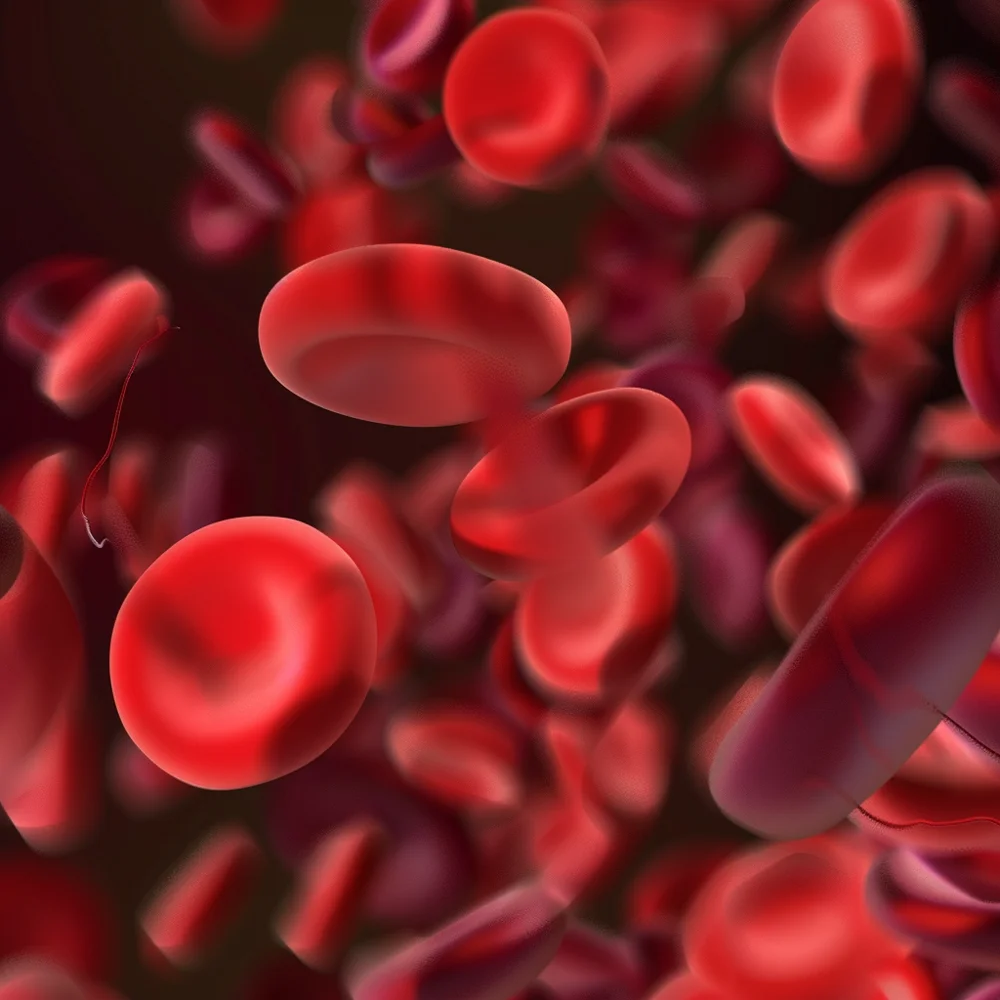
Thalassaemia Types
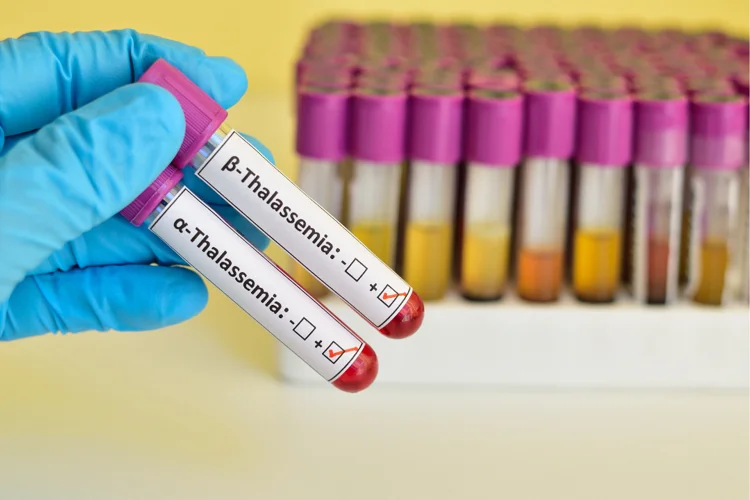
There are two types of thalassaemia:
alpha thalassaemia and beta thalassaemia, which affect the alpha
globin and beta globin protein chains, respectively. Each person has four alpha globin genes
– two inherited from each parent – and two beta globin genes – one inherited from each
parent.
Thalassaemia can also be classified as minor, where the individual is a carrier of the
thalassaemia gene but does not have the disease, or major, where the individual has
developed the disease and requires treatment.
Thalassaemia Symptoms
Thalassaemia symptoms vary based on whether the individual has minor or major thalassaemia, and the type (alpha or beta). General symptoms include:
- Anaemia - fatigue, breathlessness, pale skin, jaundice
- Enlarged spleen and liver
- Bone issues such as osteoporosis
In children with thalassaemia, additional symptoms can include:
- Stunted growth and delayed physical development
- Delayed puberty
- Bone deformities
- Frequent infections due to enlarged spleen
Children born with thalassaemia major usually experience severe anaemia throughout their lives, requiring regular blood transfusions. A bone marrow transplant may be considered a potential cure. In severe cases, particularly in alpha thalassaemia where all four alpha globin genes are affected, the condition can be fatal.

Testing for Thalassaemia
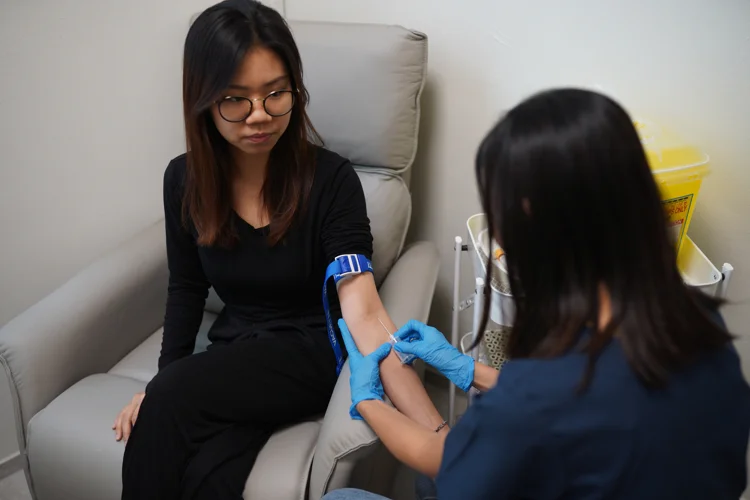
Blood Tests
Testing for thalassaemia usually involves a complete blood count to measure haemoglobin levels and detect any abnormalities in red blood cells. Haemoglobin electrophoresis, a test that separates the different types of haemoglobin in the blood, is also used to identify the presence and specific type of thalassaemia. Prenatal screenings are commonly performed to determine if a parent carries the thalassaemia gene or has the condition.
Genetic Screening
Genetic screening involves analysing DNA to identify mutations associated with thalassaemia. This test can determine if an individual is a carrier or if they have the disease. Genetic screening is particularly useful for couples planning to have children, as it helps assess the risk of passing the disorder to offspring.
Thalassaemia Test Cost in Singapore
At ATA Medical, we offer full blood count tests and haemoglobin electrophoresis with the following prices:
| Test | Price* |
|---|---|
| Consultation | From $49.05 |
| Full Blood Count | $17.44 |
| Full Blood Count (with Erythrocyte Sedimentation Rate [ESR]) | $26.16 |
| Haemoglobin (Hb) Electrophoresis | $59.95 |
| ANM6 Thalassaemia Profile Screen (Full Blood Count, Peripheral Blood Film, Haemoglobin (Hb) Electrophoresis) | $74.12 |
| ANM7 Thalassaemia Profile Screen (Full Blood Count, Peripheral Blood Film, Haemoglobin (Hb) Electrophoresis, Folic Acid, Vitamin B12, Ferritin) | $103.55 |
^Prices last updated on Jan 28, 2026. While every effort is made to keep pricing information up to date, please contact our team to confirm the latest rates.
For a more comprehensive overview of your health, you can consider our health screening packages which includes full blood count testing.
Where to Test for Thalassaemia in Singapore
You can consult our doctors and get tested for thalassaemia at any of our four convenient located clinics:
- Tanjong Pagar Medical Clinic (Closest MRT: Tanjong Pagar EW15)
- Orchard Clinic (Closest MRT: Orchard Boulevard TE13)
- Jurong Clinic (Closest MRT: Jurong East NS1/EW24)
- Novena Clinic (Closest MRT: Novena NS20)
Summary
Testing for thalassaemia can determine if you have the condition or if it's causing underlying health issues, enabling early management to improve health outcomes. More importantly, knowing if you are a carrier of the thalassaemia gene can guide family planning, given the potential impact of the condition on future children. If you are experiencing anaemic symptoms or are concerned if you are a carrier, schedule an appointment today with our doctors to discuss testing options.
How Do I Book a Thalassaemia Test Appointment in Singapore?
ATA Medical @ Tanjong Pagar
Sat: 8:30 AM – 12:30 PM
Sun & PH: Closed
Last appt: 5:15 PM (Mon–Fri), 12:15 PM (Sat)
ATA Medical @ Orchard
Sat: 8:30 AM – 12:30 PM
Sun & PH: Closed
Last appt: 5:15 PM (Mon–Fri), 12:15 PM (Sat)
ATA Medical @ Jurong
Sat: 8:30 AM – 12:30 PM
Sun & PH: Closed
Last appt: 5:15 PM (Mon–Fri), 12:15 PM (Sat)
ATA Medical @ Novena
Sat: 8:30 AM – 12:30 PM
Sun & PH: Closed
Last appt: 5:15 PM (Mon–Fri), 12:15 PM (Sat)