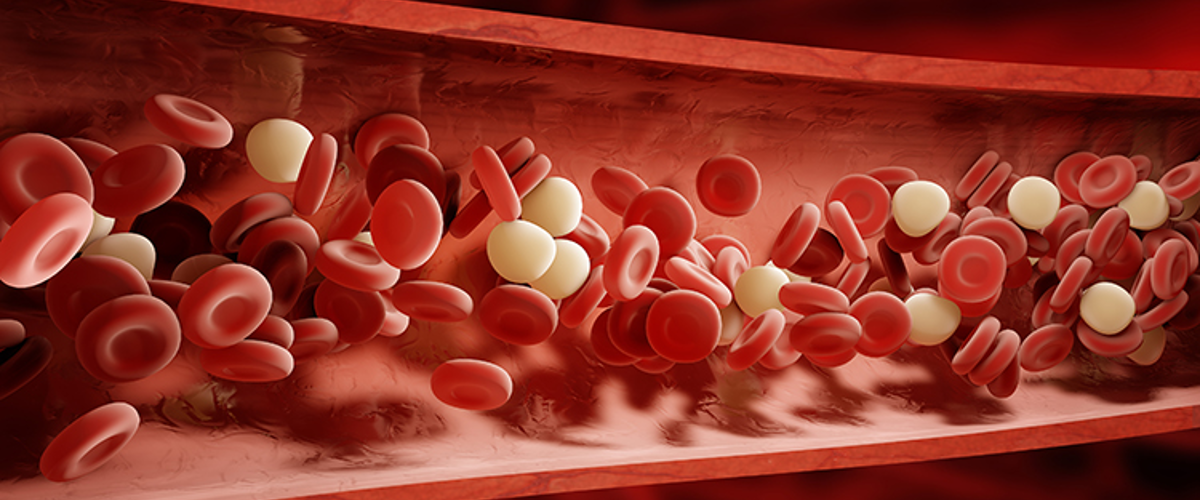
Iron deficiency anaemia, characterised by a low red blood cell count, is a common health
condition that affects many women and children worldwide. About 1 in 3 people are affected by anaemia, with women at higher risk than men.
Diagnosis of anaemia can, however, be challenging as it may be masked by other inflammatory conditions. An iron panel blood test is typically used to help confirm the diagnosis.
1. Some symptoms of anaemia are:
- Extreme fatigue
- Recurrent headaches
- Increased breathlessness/weakness
- Pica, a compulsive eating disorder in which people consume non-food items
- Restless leg syndrome (uncontrollable urge to move legs especially when in uncomfortable positions)
2. Upon physical examination, these symptoms may also be observed:
- Pale complexion
- Dry rough skin and spoon shaped nails
- Anaemia tongue (swollen, inflamed tongue)
- Alopecia (hair loss)
- When routine blood investigation show that there is low haemoglobin count seen in small red blood cell
3. Groups at risk factors for iron deficiency include:
- Chronic kidney disease
- Menorrhagia (abnormally heavy menstrual bleeding)
- Electrolyte imbalance in gastrointestinal disease (heavy fluid or blood loss from piles or inflammatory bowel disease)
- Gastrointestinal malabsorption issues
Treating Anaemia
Once the cause of anaemia is investigated, there are several ways your doctor will treat the condition. They include:
- Oral iron supplements
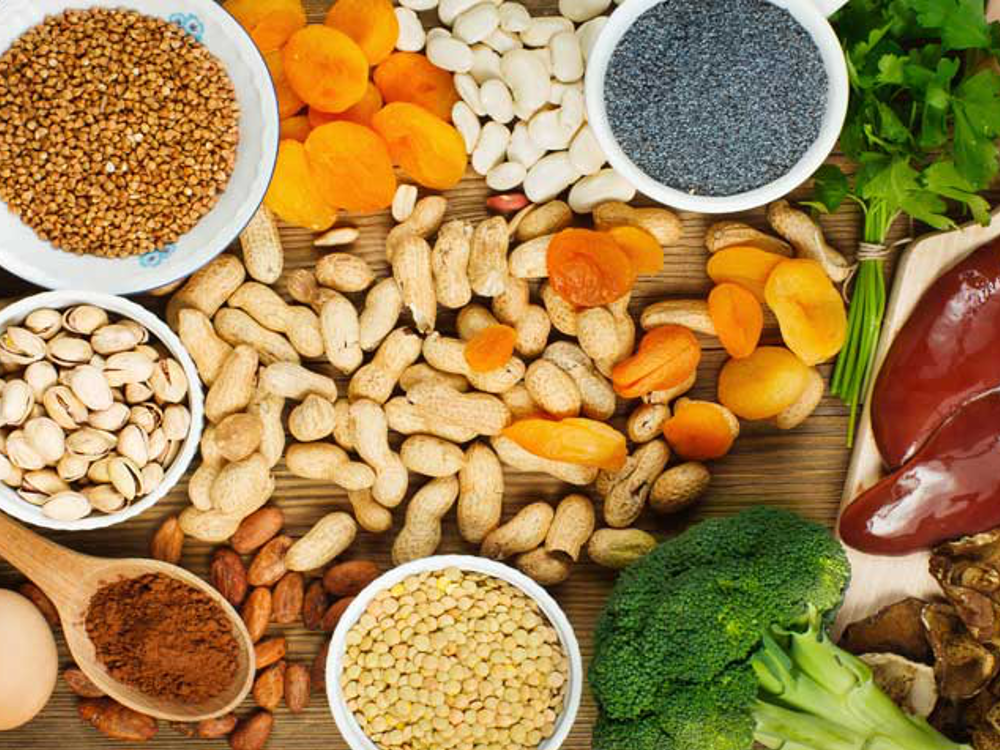
- Foods rich in iron such as dark leafy greens and red meats and vitamin C to aid iron absorption
- Intravenous iron (for patients unresponsive to oral supplement)
- Red blood cell infusion
In Summary
Anaemia can be difficult to detect, thus more tests need to be performed to determine the correct underlying cause before starting treatment. If you feel some of the symptoms are relatable to you, do considering consulting a doctor. It is essential you and your doctor have a complete examination of your history and discuss what is the best management for you.