

Acne Treatment Singapore
Last updated: Aug 27, 2026
What Is Acne?
Acne (acne vulgaris) is a common skin condition caused by clogged hair
follicles. It develops when oil, dead skin cells, and bacteria build up,
leading to inflammation. The condition typically appears as various lesion types on areas
such as the face, back, chest, and shoulders, ranging from mild to severe cases.
Although most common during adolescence, acne frequently persists into adulthood, with
approximately 41% of Singaporean adults,
particularly women, experiencing ongoing breakouts beyond their teenage years.
Ongoing breakouts and scarring may lead to feelings of self-consciousness, social anxiety,
and stress, which can make daily interactions more difficult. Seeking prompt and suitable
treatment can not only improve skin health but also help boost
confidence and overall well-being.
What Causes Acne?
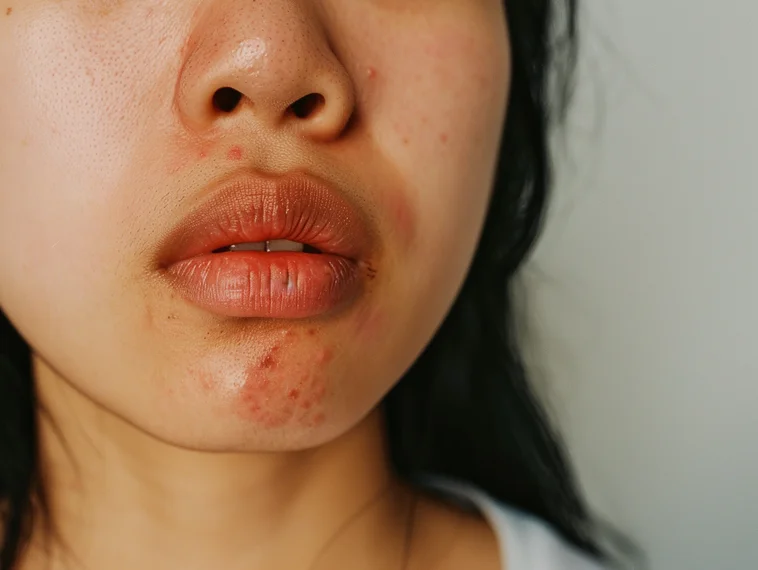
Acne develops when hair follicles become clogged, leading to inflammation and breakouts. Several factors contribute to this process:
- Excess Sebum Production – Overactive sebaceous glands can produce too much sebum, an oily substance that keeps the skin moisturised. Excess sebum, together with dead skin, can clog pores.
- Bacterial Overgrowth – Cutibacterium acnes (C. acnes) naturally lives on the skin but can multiply in clogged pores, triggering inflammation and worsening acne.
- Hormonal Changes – Fluctuations in hormones during puberty, pregnancy, menstrual cycles, or conditions like polycystic ovary syndrome can increase sebum production, leading to acne breakouts.
- Diet and Lifestyle – High-glycaemic foods and dairy may increase insulin levels and trigger hormonal fluctuations, leading to excess sebum production and clogged pores. Stress increases cortisol, which also stimulates sebaceous glands and worsens inflammation, which can slow acne healing.
- Medications – Certain drugs used to treat other conditions, such as corticosteroids, can increase sebum production, making the skin more prone to steroid-induced acne as a side effect.
Types of Acne
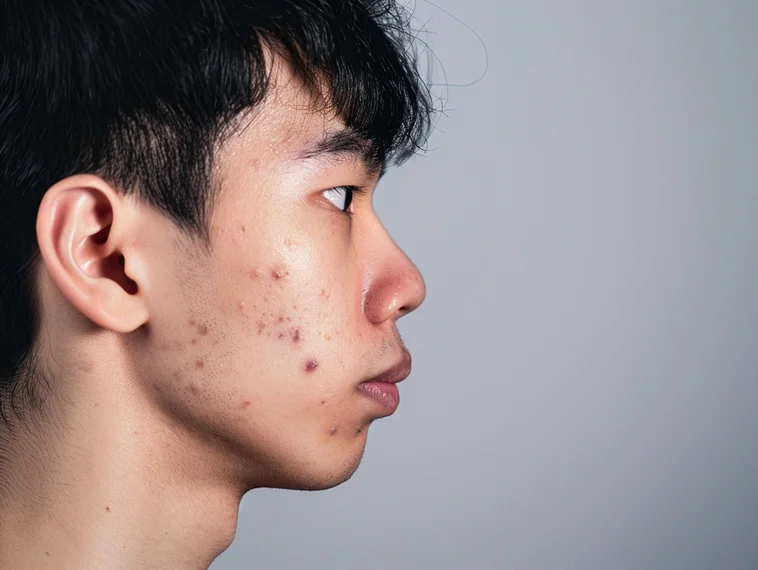
Acne can appear in various forms and is categorized into non-inflammatory and inflammatory types.
Non-Inflammatory Acne
- Blackheads (Open Comedones) – Pores clogged with oil and dead skin cells that remain open, turning dark due to oxidation.
- Whiteheads (Closed Comedones) – Similar to blackheads but covered by a thin layer of skin, giving them a white appearance.
Inflammatory Acne
- Papules – Small, red, inflamed bumps caused by clogged pores and bacterial activity. These do not contain pus.
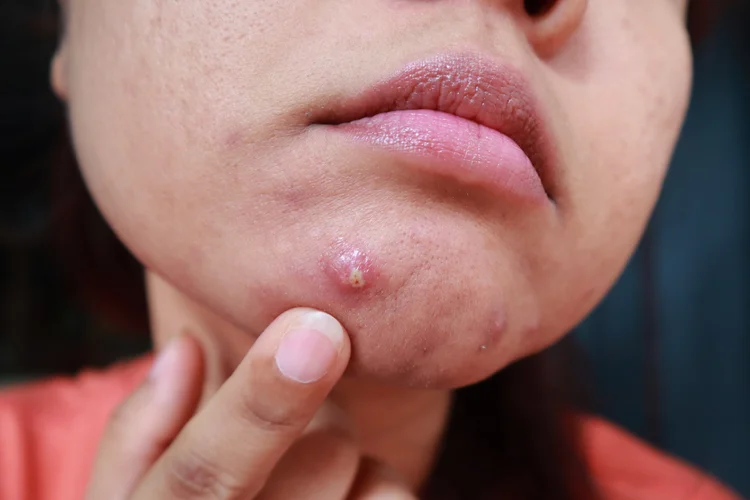
- Pustules – Pimples filled with pus, often red at the base with a white or yellow centre.
- Nodules – Large, firm, painful lumps deep under the skin caused by severe inflammation.
- Cysts – Soft, fluid-filled, pus-laden lumps beneath the skin that are typically larger than nodules. Cysts are often more painful, prone to rupture, and have a higher risk of scarring if left untreated.
How to Prevent Acne?
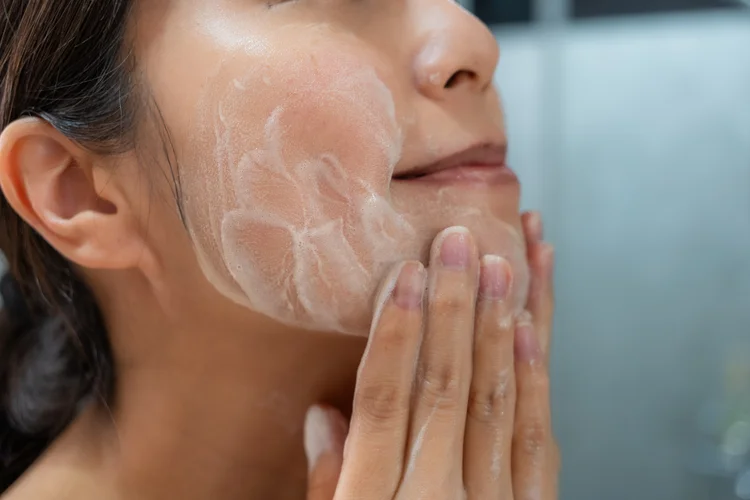
Preventive measures and lifestyle modifications can help reduce acne recurrence and maintain clearer skin:
- Use a gentle cleanser twice daily to remove excess oil, dirt, and impurities without stripping the skin.
- Opt for non-comedogenic moisturisers and sunscreens to keep skin hydrated and protected without clogging pores.
- Avoid picking or squeezing pimples to prevent inflammation, infection, and long-term scarring.
- Maintain a balanced diet and be mindful of foods that may trigger breakouts, such as high-glycaemic foods and dairy.
- Manage stress levels through relaxation techniques, as stress can increase cortisol levels and worsen acne.
Acne Treatment Options in Singapore
Acne treatment varies depending on severity, skin type, and individual response to therapy. Options range from topical solutions to prescription medications and clinical procedures. The following guide provides a general indication of how acne is typically managed by severity:
Mild Acne
Mostly blackheads, whiteheads, and the occasional papule. Typically managed with topical treatments such as salicylic acid, benzoyl peroxide, or topical retinoids.
Moderate Acne
Widespread papules and pustules across the face, chest, or back. Often managed with a combination of topical treatments and oral medications such as antibiotics or hormonal therapy where appropriate.
Severe Acne
Painful nodules, cysts, and a higher risk of scarring. Typically requires oral medications such as isotretinoin, and may include in-clinic procedures like corticosteroid injections.
A doctor's assessment is recommended to determine the most suitable approach based on individual skin type, medical history, and response to therapy.
| Treatment | Description & Purpose |
|---|---|
| Topical Treatments | |
| Salicylic Acid | A beta-hydroxy acid (BHA) that exfoliates the skin, dissolves oil, and penetrates deep into pores to remove dead skin cells and excess sebum. It prevents clogged pores, reduces blackheads and whiteheads, and helps balance acne-associated bacteria. |
| Benzoyl Peroxide | An antibacterial agent that targets acne-causing bacteria. It releases oxygen into pores, eliminating C. acnes bacteria and reducing inflammation, which helps control breakouts and prevent new ones. |
| Retinoids | Retinoids, such as tretinoin, are vitamin A derivatives that speed up skin cell turnover. They work by preventing dead skin cells from building up and clogging pores, reducing breakouts and helping to clear existing acne. |
| Antibiotic Creams | Topical antibiotics (e.g., clindamycin, erythromycin) help reduce bacterial growth and inflammation. They work by targeting C. acnes bacteria on the skin’s surface and soothing inflamed acne lesions, preventing breakouts from worsening. |
| Oral Medication | |
| Oral Antibiotics | Prescription antibiotics (e.g., doxycycline, minocycline) treat moderate to severe acne by working from within the body to reduce C. acnes bacteria and control inflammation. This provides systemic relief, helping to manage widespread or deep-seated acne. |
| Oral Contraceptives | Birth control pills regulate hormone fluctuations by reducing androgen levels and sebum production, helping to control hormonal acne. |
| Isotretinoin (Oral Retinoid) | A potent oral retinoid used for severe, treatment-resistant acne. It can help shrink sebaceous glands, drastically reducing sebum production and preventing clogged pores. |
| Professional In-Clinic Treatment | |
| Chemical Peels | A dermatological treatment that uses acids like glycolic and salicylic acid to exfoliate dead skin cells, unclog pores, and improve acne-related hyperpigmentation. |
| Corticosteroid Injections | An anti-inflammatory medication (e.g., triamcinolone) delivered directly into the lesion to treat large, painful cystic acne. It rapidly reduces inflammation and swelling, helping to shrink cysts, speed up healing, and minimise discomfort and scarring. |
Unsure which treatment is right for your skin? Our doctors can assess your acne and recommend a suitable plan. Book an appointment today.
Book Your Appointment TodayAcne Treatment Price in Singapore
At ATA Medical, we offer topical and oral acne treatments, along with hormone testing to assess underlying hormonal imbalances contributing to acne. Our pricing is as follows:
| Test / Treatment | Price* |
|---|---|
| Consultation | From $49.05 |
| Hormone Testing | |
|
Female Acne / Weight Gain Screen** Testosterone, Estradiol (E2), Progesterone, TSH, Cortisol, Follicle Stimulating Hormone (FSH), Luteinising Hormone (LH), Prolactin, Dehydroepiandrosterone Sulfate (DHEAS), Sex Hormone Binding Globulin (SHBG) This test is recommended for individuals with suspected hormonal acne and should be conducted between days 2 to 5 of the menstrual cycle for optimal results. |
$218 |
|
Hormonal Study DHEAS, Insulin-like Growth Factor 1 (IGF-1), SHBG, FSH, LH, E2 |
$196.20 |
| Estradiol / Oestrogen (E2) | $32.70 |
| Progesterone | $32.70 |
| Acne Treatment | |
| Retacnyl (Isotretinoin) 0.05% Cream | $38.15 |
| Acnotin (Isotretinoin) 10 mg Capsule (box of 30s) | $70.85 |
| Differin (Adapalene) 0.1% Cream (30 g tube) | $53.30 |
| Aklief (Trifarotene) 0.005% Cream 30 g | $79.35 |
| Epiduo (Adapalene 0.1% + Benzoyl Peroxide 2.5%) Topical Gel 15 g | $38.31 |
| Oral Antibiotics - Doxycycline 100 mg | From $1.09 per tab |
| Oral Contraceptive - Yaz® (Ethinylestradiol 0.02 mg + Drospirenone 3 mg) | $43.60 (per box of 40 tablets) |
^Prices last updated on Aug 25, 2026. While every effort is made to keep pricing information up to date, please contact our team to confirm the latest rates.
**Test must be done between 8:30 AM and 10:00 AM for accuracy.
Hormone testing packages are also available. Contact us for more information.
When to Seek Help for Acne?
If acne is persistent, painful, causing scars, or affecting your confidence and daily life, consider consulting a doctor. Seeking treatment early can help prevent long-term skin damage and improve both skin health and self-esteem. With the right knowledge of acne types, treatments, and prevention, you can take control of your skin and make informed choices for clearer, healthier skin.
Most patients begin to notice improvements within 6 to 12 weeks of starting treatment, though the exact timeline varies depending on severity, treatment type, and individual response.
What to Expect at Your Consultation
A typical acne consultation at ATA Medical involves the following steps:
- Skin assessment – The doctor examines the affected areas to determine the type and severity of your acne (e.g., comedonal, inflammatory, or cystic).
- Medical history review – A discussion of your medical history, current medications, skincare routine, and lifestyle factors that may be contributing to breakouts.
- Identification of underlying causes – If hormonal factors are suspected, the doctor may recommend a hormone test to evaluate possible imbalances.
- Personalised treatment plan – Based on the findings, the doctor will discuss suitable topical, oral, or in-clinic options and explain how to use them safely.
- Follow-up – A follow-up review is usually scheduled to monitor progress, manage any side effects, and adjust the treatment plan as needed.
Acne treatment works best when we understand what’s actually driving the breakouts — whether it’s hormones, stress, lifestyle, or a mix of factors. I’m passionate about helping patients find the right balance between effective treatment and overall wellness, so they achieve clearer skin with results that actually last.
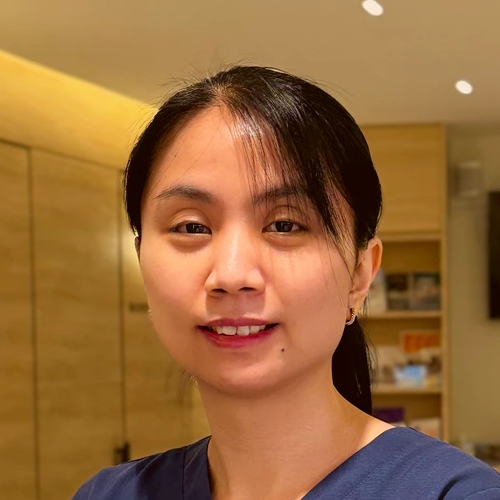
Acne treatment works best when we understand what’s actually driving the breakouts — whether it’s hormones, stress, lifestyle, or a mix of factors. I’m passionate about helping patients find the right balance between effective treatment and overall wellness, so they achieve clearer skin with results that actually last.
Find Acne Treatment Near Me
ATA Medical @ Tanjong Pagar
Sat: 8:30 AM – 12:30 PM
Sun & PH: Closed
Last appt: 5:15 PM (Mon–Fri), 12:15 PM (Sat)
ATA Medical @ Orchard
Sat: 8:30 AM – 12:30 PM
Sun & PH: Closed
Last appt: 5:15 PM (Mon–Fri), 12:15 PM (Sat)
ATA Medical @ Jurong
Sat: 8:30 AM – 12:30 PM
Sun & PH: Closed
Last appt: 5:15 PM (Mon–Fri), 12:15 PM (Sat)
ATA Medical @ Novena
Sat: 8:30 AM – 12:30 PM
Sun & PH: Closed
Last appt: 5:15 PM (Mon–Fri), 12:15 PM (Sat)